Uncovering the Truth: How to Detect Hoaxes, Debunk Urban Legends, and Myths
Category : Hoax Detection en | Sub Category : Debunking Urban Legends and Myths Posted on 2023-07-07 21:24:53
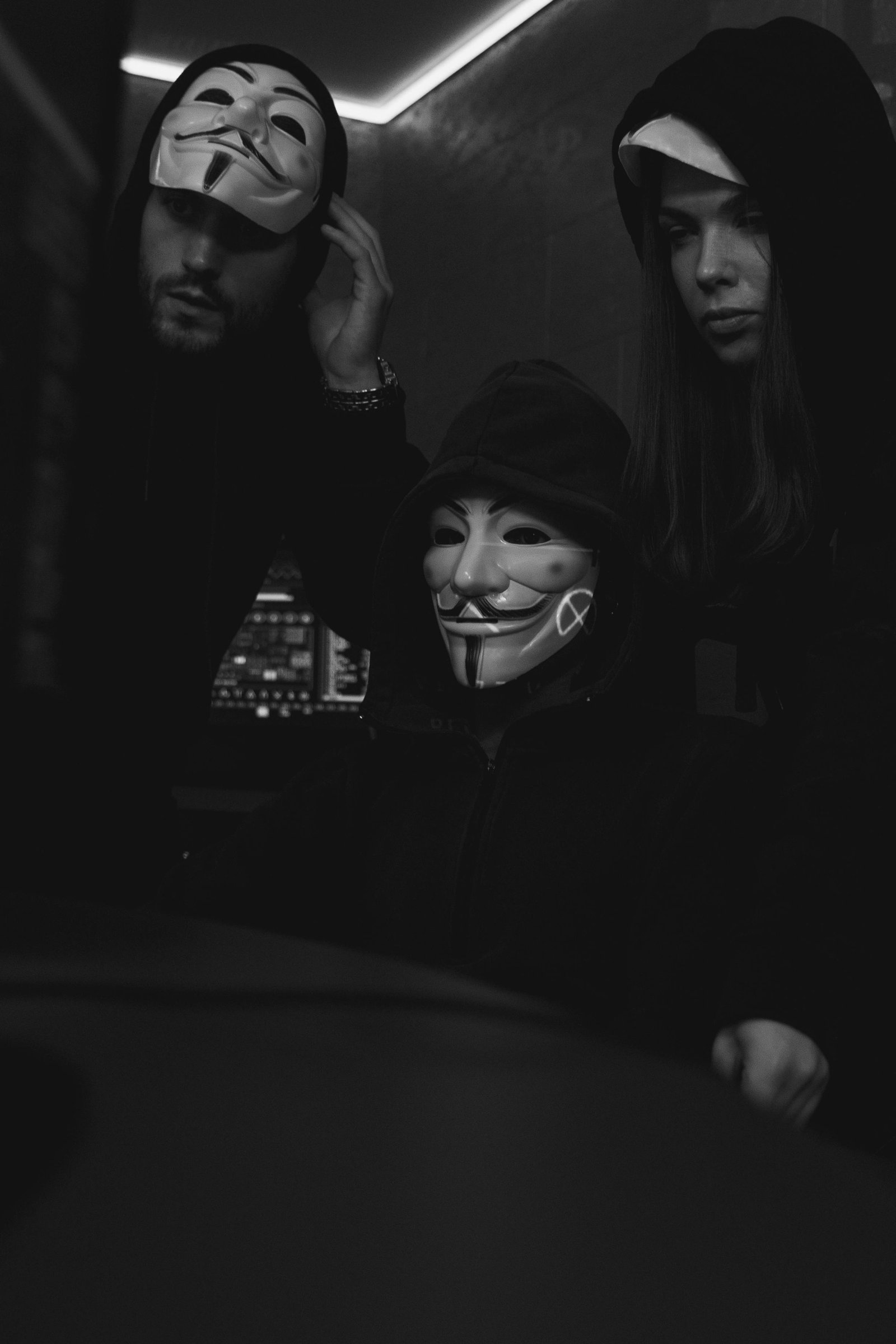
Uncovering the Truth: How to Detect Hoaxes, Debunk Urban Legends, and Myths
In today's digital age, misinformation spreads like wildfire, making it essential for us to develop the skills to distinguish fact from fiction. Hoaxes, urban legends, and myths often circulate widely, taking advantage of people's trust and lack of critical thinking. This article aims to shed light on the process of hoax detection and debunking prevalent myths.
Hoaxes are deceptive schemes or false information designed to trick individuals into believing something that is not true. They can range from harmless pranks to harmful propaganda, influencing people's beliefs and behaviors. Urban legends, on the other hand, are contemporary folklore narratives that are often based on a grain of truth but exaggerated over time. Myths are traditional stories or beliefs that are widely circulated but lack evidence or scientific basis.
So, how can you spot a hoax, debunk an urban legend, or dispel a myth? Here are some tips to help you navigate the vast sea of information:
1. Verify the Source: Always check the credibility of the source where the information originated. Reliable sources typically include reputable news organizations, government agencies, scientific journals, and experts in the field.
2. Fact-Check Information: Before sharing any information, take the time to fact-check it using reliable fact-checking websites such as Snopes, FactCheck.org, or PolitiFact. Look for evidence, data, and corroborating sources to support the claims.
3. Question Your Own Biases: Be aware of your own biases and preconceived notions that may influence your judgment. Approach information with a critical mindset and be open to considering alternative perspectives.
4. Look for Red Flags: Watch out for common red flags that indicate a hoax, such as sensationalized headlines, grammatical errors, missing references, or unverifiable claims. If something seems too good to be true, it probably is.
5. Consult Experts: When in doubt about a particular claim or story, seek input from experts in the relevant field. Scientists, researchers, historians, or fact-checkers can provide valuable insights and help separate truth from fiction.
By honing your critical thinking skills and practicing skepticism, you can become a more discerning consumer of information and avoid falling prey to hoaxes, urban legends, and myths. Remember that spreading misinformation can have real-world consequences, so it's crucial to be vigilant and diligent in verifying the accuracy of the information you encounter.
In conclusion, debunking hoaxes, urban legends, and myths is not only about uncovering the truth but also about promoting a culture of critical thinking and media literacy. By staying informed, questioning authority, and fact-checking diligently, we can combat misinformation and contribute to a more informed and enlightened society. Let's all do our part in separating fact from fiction and upholding the integrity of information in the digital age.
Leave a Comment:
SEARCH
Recent News
- Zurich, Switzerland and Tunisia are two countries that are geographically distant but connected through various global issues and news events. Let's take a look at some of the recent news coming out of these two diverse locations.
- Zurich, Switzerland is a vibrant city known for its picturesque landscapes, rich history, and diverse cultural scene. One fascinating aspect of Zurich's cultural tapestry is the influence of Sudanese culture in the city.
- Zurich, Switzerland, is renowned for its picturesque landscapes, vibrant culture, and thriving economy. However, thousands of kilometers away in Russia, agriculture plays a crucial role in the country's economy and food production.
- When looking at two diverse but equally fascinating destinations such as Zurich, Switzerland, and the rich culture of Quebec in Canada, it’s hard not to be captivated by the unique charm and beauty each has to offer.
- Zurich, Switzerland: A Hub for Hungarian Culture
- Zurich, Switzerland is a picturesque city known for its stunning landscapes, historic architecture, and vibrant culture. On the other hand, Honduras is a country rich in history and cultural diversity. Let's explore the contrasting beauty of Zurich, Switzerland and the colorful traditions of Honduras.
- Zurich, Switzerland is a vibrant city known for its stunning beauty, high quality of life, and rich cultural scene. One of the many diverse cultural influences found in Zurich is that of Ethiopian culture. Ethiopians have been making significant contributions to the cultural landscape of Zurich, bringing their unique traditions, music, cuisine, and art to the city.
- Cancel culture has been a hotly debated topic in recent years, and its impact can be seen around the world, including in Zurich, Switzerland. As a vibrant and cosmopolitan city, Zurich is not immune to the effects of cancel culture, which involves boycotting or ostracizing individuals or groups deemed to have behaved in a controversial or offensive manner.
READ MORE
10 months ago Category :

Zurich, Switzerland and Tunisia are two countries that are geographically distant but connected through various global issues and news events. Let's take a look at some of the recent news coming out of these two diverse locations.
Read More →10 months ago Category :

Zurich, Switzerland is a vibrant city known for its picturesque landscapes, rich history, and diverse cultural scene. One fascinating aspect of Zurich's cultural tapestry is the influence of Sudanese culture in the city.
Read More →10 months ago Category :

Zurich, Switzerland, is renowned for its picturesque landscapes, vibrant culture, and thriving economy. However, thousands of kilometers away in Russia, agriculture plays a crucial role in the country's economy and food production.
Read More →10 months ago Category :
