The Paradox of Misinformation and Critical Thinking Skills in the World of Dictators
Category : | Sub Category : Posted on 2024-10-05 22:25:23
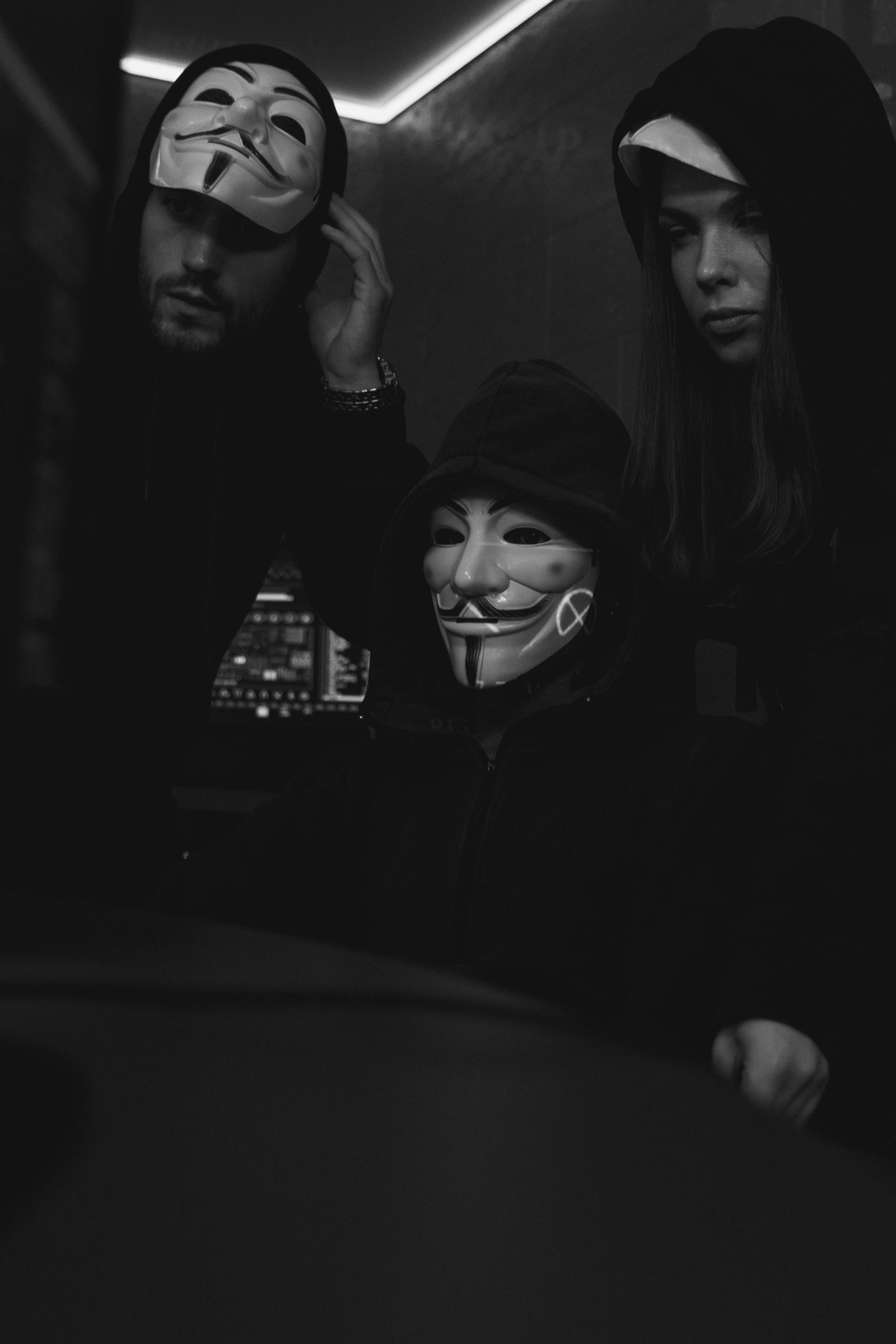
In the realm of dictators, contradictions abound. These autocratic leaders often rely on disseminating misinformation to maintain control over their populace, while simultaneously suppressing critical thinking skills that could undermine their authority. This paradox highlights the delicate balance between manipulation and free thought in authoritarian regimes. Misinformation plays a critical role in the arsenal of dictators. By controlling the narrative through propaganda, censorship, and other means of spreading false information, autocratic leaders can shape public perception to suit their agendas. This manipulation of facts and reality serves to consolidate their power, demonize opposition, and perpetuate their rule without challenge. At the same time, dictators strive to stifle critical thinking skills among their citizens. Independent thought, questioning authority, and seeking out diverse perspectives are viewed as threats to the regime's stability. Education systems are often co-opted to promote indoctrination rather than intellectual curiosity, while dissenting voices are silenced through intimidation, censorship, or violence. The contradiction arises when we consider the long-term implications of this dynamic. By depriving society of the tools necessary for critical thinking – such as access to reliable information, analytical reasoning, and the ability to discern truth from falsehood – dictators inadvertently weaken the very foundations of their rule. Without a population capable of independent thought, innovation, and informed decision-making, a society becomes vulnerable to manipulation, stagnation, and ultimately, dissent. In this sense, the paradox of misinformation and critical thinking skills in the world of dictators reveals a fundamental flaw in the autocratic model of governance. While dictators may wield power through deception and control, they sow the seeds of their own downfall by undermining the intellectual capacities of their people. As we navigate an increasingly complex and interconnected world, the importance of nurturing critical thinking skills and combatting misinformation cannot be overstated. By empowering individuals to question, analyze, and challenge the information they receive, we can fortify society against manipulation and authoritarian control. In doing so, we uphold the values of truth, transparency, and freedom that form the bedrock of a healthy and democratic society. Ultimately, the paradox of misinformation and critical thinking skills serves as a cautionary tale about the dangers of unchecked power and the enduring resilience of the human spirit in the face of oppression. By recognizing this paradox and actively promoting critical thinking in our communities, we can strive towards a future where truth triumphs over falsehood and democracy prevails over dictatorship.
Leave a Comment:
SEARCH
Recent News
- Zurich, Switzerland and Tunisia are two countries that are geographically distant but connected through various global issues and news events. Let's take a look at some of the recent news coming out of these two diverse locations.
- Zurich, Switzerland is a vibrant city known for its picturesque landscapes, rich history, and diverse cultural scene. One fascinating aspect of Zurich's cultural tapestry is the influence of Sudanese culture in the city.
- Zurich, Switzerland, is renowned for its picturesque landscapes, vibrant culture, and thriving economy. However, thousands of kilometers away in Russia, agriculture plays a crucial role in the country's economy and food production.
- When looking at two diverse but equally fascinating destinations such as Zurich, Switzerland, and the rich culture of Quebec in Canada, it’s hard not to be captivated by the unique charm and beauty each has to offer.
- Zurich, Switzerland: A Hub for Hungarian Culture
- Zurich, Switzerland is a picturesque city known for its stunning landscapes, historic architecture, and vibrant culture. On the other hand, Honduras is a country rich in history and cultural diversity. Let's explore the contrasting beauty of Zurich, Switzerland and the colorful traditions of Honduras.
- Zurich, Switzerland is a vibrant city known for its stunning beauty, high quality of life, and rich cultural scene. One of the many diverse cultural influences found in Zurich is that of Ethiopian culture. Ethiopians have been making significant contributions to the cultural landscape of Zurich, bringing their unique traditions, music, cuisine, and art to the city.
- Cancel culture has been a hotly debated topic in recent years, and its impact can be seen around the world, including in Zurich, Switzerland. As a vibrant and cosmopolitan city, Zurich is not immune to the effects of cancel culture, which involves boycotting or ostracizing individuals or groups deemed to have behaved in a controversial or offensive manner.
READ MORE
11 months ago Category :

Zurich, Switzerland and Tunisia are two countries that are geographically distant but connected through various global issues and news events. Let's take a look at some of the recent news coming out of these two diverse locations.
Read More →11 months ago Category :

Zurich, Switzerland is a vibrant city known for its picturesque landscapes, rich history, and diverse cultural scene. One fascinating aspect of Zurich's cultural tapestry is the influence of Sudanese culture in the city.
Read More →11 months ago Category :

Zurich, Switzerland, is renowned for its picturesque landscapes, vibrant culture, and thriving economy. However, thousands of kilometers away in Russia, agriculture plays a crucial role in the country's economy and food production.
Read More →11 months ago Category :
