Navigating Misinformation: The Role of Critical Thinking in the Fitness World
Category : | Sub Category : Posted on 2024-10-05 22:25:23
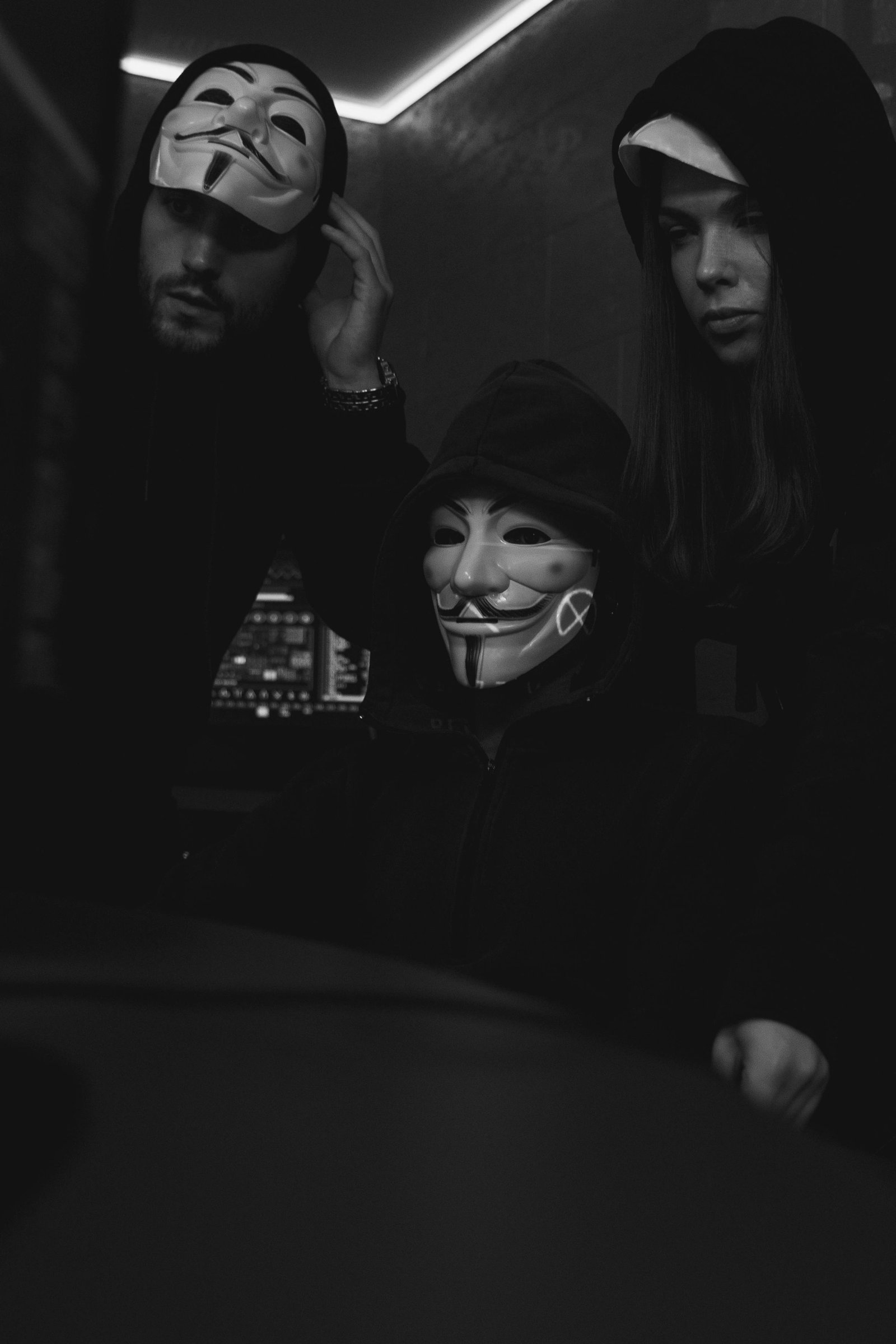
In today's digital age, the spread of misinformation is rampant, and the fitness industry is no exception. With the rise of social media influencers, fad diets, and miracle workout programs, it can be challenging to separate fact from fiction. This is where critical thinking skills play a crucial role in helping individuals navigate through the sea of misinformation and make informed decisions about their fitness journey. Misinformation in the fitness world can range from exaggerated claims about the effectiveness of certain supplements to dangerous workout techniques that can lead to injuries. It's important for individuals to approach fitness information with a skeptical eye and rely on critical thinking skills to evaluate the credibility of sources before making any decisions. One of the key aspects of critical thinking in fitness is asking questions and doing research. Before jumping on the latest fitness trend, individuals should take the time to investigate the claims being made, look for scientific evidence to support those claims, and consider the expertise of the source. Peer-reviewed studies, reputable fitness professionals, and evidence-based information should be prioritized over anecdotal evidence or personal testimonials. Another important aspect of critical thinking in fitness is being aware of one's own biases and motivations. It's easy to fall prey to marketing tactics that promise quick fixes and instant results, but a critical thinker will pause to consider the long-term implications of such approaches. Understanding personal goals, limitations, and preferences is essential in developing a sustainable fitness plan that aligns with individual needs and values. Furthermore, critical thinking skills can help individuals spot red flags that indicate misinformation or fraudulent practices in the fitness industry. Unrealistic claims, quick-fix solutions, and one-size-fits-all approaches should raise skepticism and prompt further investigation. By honing their critical thinking skills, individuals can protect themselves from falling victim to fitness scams and ineffective programs. In conclusion, critical thinking skills are essential tools for navigating the complex landscape of misinformation in the fitness world. By approaching fitness information with a critical eye, asking questions, doing research, and being mindful of biases, individuals can make informed decisions that support their health and wellness goals. Remember, not everything you see or hear in the fitness industry is true, so always question, evaluate, and think critically before making any decisions about your fitness journey. For the latest insights, read: https://www.tinyfed.com Want to know more? Don't forget to read: https://www.gymskill.com Curious to learn more? Click on https://www.biofitnesslab.com To learn more, take a look at: https://www.unian.org
https://unian.org
https://periodization.org
Leave a Comment:
SEARCH
Recent News
- Zurich, Switzerland and Tunisia are two countries that are geographically distant but connected through various global issues and news events. Let's take a look at some of the recent news coming out of these two diverse locations.
- Zurich, Switzerland is a vibrant city known for its picturesque landscapes, rich history, and diverse cultural scene. One fascinating aspect of Zurich's cultural tapestry is the influence of Sudanese culture in the city.
- Zurich, Switzerland, is renowned for its picturesque landscapes, vibrant culture, and thriving economy. However, thousands of kilometers away in Russia, agriculture plays a crucial role in the country's economy and food production.
- When looking at two diverse but equally fascinating destinations such as Zurich, Switzerland, and the rich culture of Quebec in Canada, it’s hard not to be captivated by the unique charm and beauty each has to offer.
- Zurich, Switzerland: A Hub for Hungarian Culture
- Zurich, Switzerland is a picturesque city known for its stunning landscapes, historic architecture, and vibrant culture. On the other hand, Honduras is a country rich in history and cultural diversity. Let's explore the contrasting beauty of Zurich, Switzerland and the colorful traditions of Honduras.
- Zurich, Switzerland is a vibrant city known for its stunning beauty, high quality of life, and rich cultural scene. One of the many diverse cultural influences found in Zurich is that of Ethiopian culture. Ethiopians have been making significant contributions to the cultural landscape of Zurich, bringing their unique traditions, music, cuisine, and art to the city.
- Cancel culture has been a hotly debated topic in recent years, and its impact can be seen around the world, including in Zurich, Switzerland. As a vibrant and cosmopolitan city, Zurich is not immune to the effects of cancel culture, which involves boycotting or ostracizing individuals or groups deemed to have behaved in a controversial or offensive manner.
READ MORE
11 months ago Category :

Zurich, Switzerland and Tunisia are two countries that are geographically distant but connected through various global issues and news events. Let's take a look at some of the recent news coming out of these two diverse locations.
Read More →11 months ago Category :

Zurich, Switzerland is a vibrant city known for its picturesque landscapes, rich history, and diverse cultural scene. One fascinating aspect of Zurich's cultural tapestry is the influence of Sudanese culture in the city.
Read More →11 months ago Category :

Zurich, Switzerland, is renowned for its picturesque landscapes, vibrant culture, and thriving economy. However, thousands of kilometers away in Russia, agriculture plays a crucial role in the country's economy and food production.
Read More →11 months ago Category :
