In recent years, misinformation has become a significant issue, especially in the context of global events such as the conflict in Ukraine. The spread of false information can have serious consequences, leading to misunderstandings, conflicts, and even violence. In order to navigate this landscape, critical thinking skills are essential.
Category : | Sub Category : Posted on 2024-10-05 22:25:23
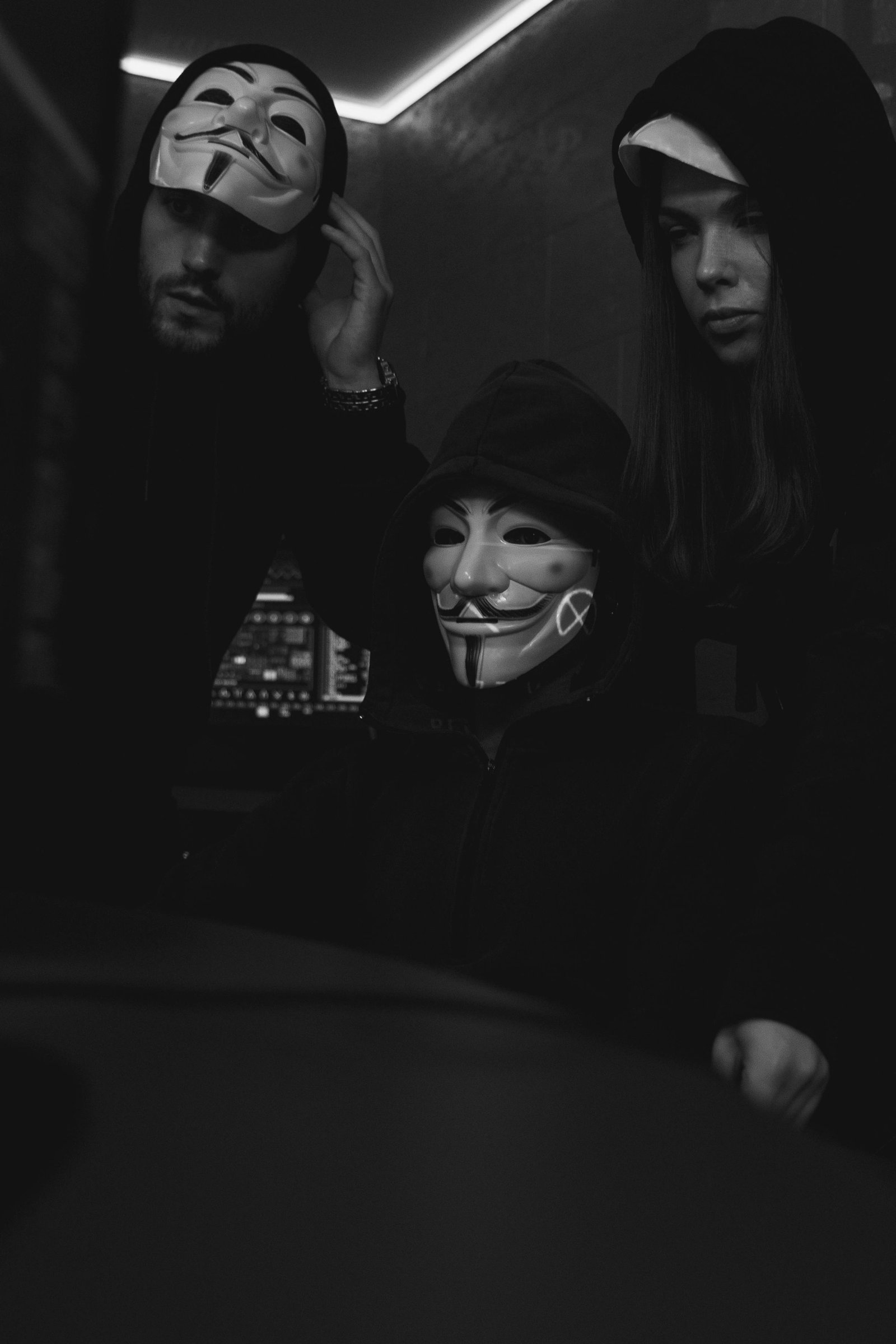
One of the key challenges in the age of misinformation is the sheer volume of information that is readily available at our fingertips. It can be overwhelming to sift through the abundance of news, articles, and social media posts to determine what is accurate and what is false. This is where critical thinking skills come into play. Critical thinking involves the ability to analyze information, evaluate sources, and make informed judgments. When faced with conflicting reports or questionable sources, critical thinkers are able to question the information, consider different perspectives, and seek out reliable sources for verification. This is crucial in the context of misinformation surrounding the situation in Ukraine, where there are many conflicting narratives and propaganda campaigns at play. Furthermore, critical thinking skills help individuals to identify logical fallacies, such as appeals to emotion, ad hominem attacks, and false dichotomies, which are often used in misinformation campaigns to sway public opinion. By recognizing these tactics, individuals can guard against being manipulated by false information and propaganda. Developing critical thinking skills is a lifelong process that involves practice and reflection. It requires an open mind, a willingness to consider different viewpoints, and a healthy skepticism towards information that seems too good to be true. By honing these skills, individuals can become more discerning consumers of information and better equipped to separate fact from fiction in a complex and fast-paced media landscape. In conclusion, in the face of misinformation surrounding global events such as the conflict in Ukraine, critical thinking skills are more important than ever. By cultivating the ability to analyze information critically, evaluate sources, and identify logical fallacies, individuals can navigate the sea of misinformation with confidence and make informed decisions based on reliable information.
https://unian.org
Leave a Comment:
SEARCH
Recent News
- Zurich, Switzerland and Tunisia are two countries that are geographically distant but connected through various global issues and news events. Let's take a look at some of the recent news coming out of these two diverse locations.
- Zurich, Switzerland is a vibrant city known for its picturesque landscapes, rich history, and diverse cultural scene. One fascinating aspect of Zurich's cultural tapestry is the influence of Sudanese culture in the city.
- Zurich, Switzerland, is renowned for its picturesque landscapes, vibrant culture, and thriving economy. However, thousands of kilometers away in Russia, agriculture plays a crucial role in the country's economy and food production.
- When looking at two diverse but equally fascinating destinations such as Zurich, Switzerland, and the rich culture of Quebec in Canada, it’s hard not to be captivated by the unique charm and beauty each has to offer.
- Zurich, Switzerland: A Hub for Hungarian Culture
- Zurich, Switzerland is a picturesque city known for its stunning landscapes, historic architecture, and vibrant culture. On the other hand, Honduras is a country rich in history and cultural diversity. Let's explore the contrasting beauty of Zurich, Switzerland and the colorful traditions of Honduras.
- Zurich, Switzerland is a vibrant city known for its stunning beauty, high quality of life, and rich cultural scene. One of the many diverse cultural influences found in Zurich is that of Ethiopian culture. Ethiopians have been making significant contributions to the cultural landscape of Zurich, bringing their unique traditions, music, cuisine, and art to the city.
- Cancel culture has been a hotly debated topic in recent years, and its impact can be seen around the world, including in Zurich, Switzerland. As a vibrant and cosmopolitan city, Zurich is not immune to the effects of cancel culture, which involves boycotting or ostracizing individuals or groups deemed to have behaved in a controversial or offensive manner.
READ MORE
11 months ago Category :

Zurich, Switzerland and Tunisia are two countries that are geographically distant but connected through various global issues and news events. Let's take a look at some of the recent news coming out of these two diverse locations.
Read More →11 months ago Category :

Zurich, Switzerland is a vibrant city known for its picturesque landscapes, rich history, and diverse cultural scene. One fascinating aspect of Zurich's cultural tapestry is the influence of Sudanese culture in the city.
Read More →11 months ago Category :

Zurich, Switzerland, is renowned for its picturesque landscapes, vibrant culture, and thriving economy. However, thousands of kilometers away in Russia, agriculture plays a crucial role in the country's economy and food production.
Read More →11 months ago Category :
